Finance
|
Investment Insight
14 March 2026
Growth Capital Funding: How to Boost Business Growth
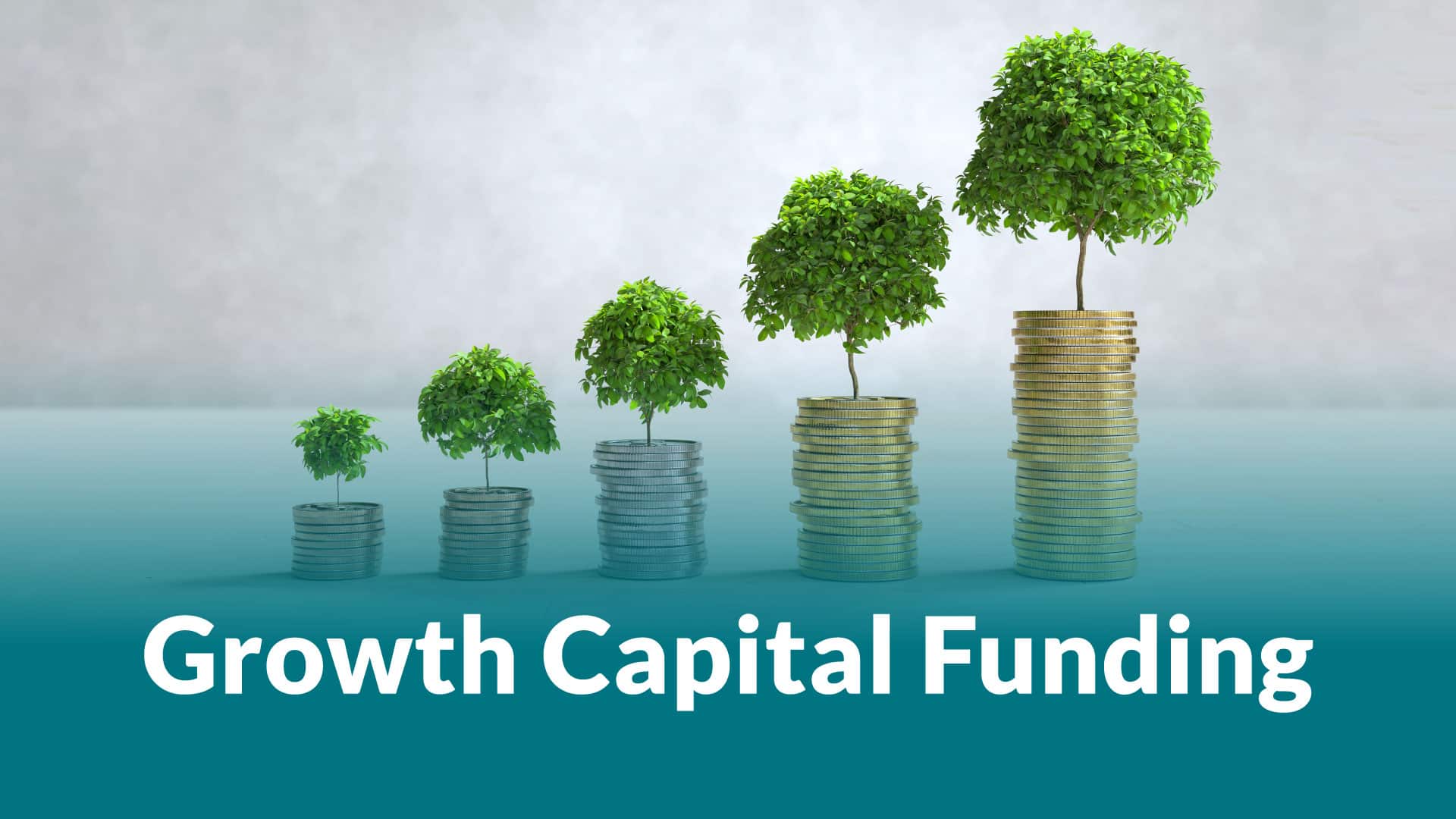
As companies grow and their ambitions expand, access to the right funding becomes increasingly important. For some companies, despite being profitable, planning an expansion without additional funding can be challenging. Growth capital funding provides companies with the financial boost needed to accelerate growth without disrupting their existing operations. Rather than supporting early experimentation, this type of funding focuses on helping companies scale efficiently and capture larger market opportunities.Let's explore deeper into the meaning of growth capital funding, along with its pros and cons for businesses.
Read More: Growth Equity: Key Insights for Entrepreneurs and Investors
Read More: Private Equity Explained: Key to Unlock Growth and Innovation
Read More: Private Equity for Startups: Smart Funding for Long-Term Growth
What Does Growth Capital Funding Mean?
Growth capital refers to funding provided to businesses to expand operations, acquire companies, enter new markets, or develop new products. This funding is typically intended for mature, established, and profitable companies that need additional capital to accelerate their expansion. Startups can also seek growth capital funding once they have achieved product-market fit, built a core team, and proven market demand.Growth capital can be secured through equity, debt, or a combination of both. Each route has its own advantages depending on the company's size, maturity, financial structure, and long-term goals. Unlike early-stage venture capital funding, growth capital funding doesn't involve giving up significant control over the company. Instead, it helps the company to grow faster without burdening it with excessive debt.How Does Growth Capital Funding Work?
Companies seeking growth capital are usually already profitable. However, they lack sufficient funds to support growth, such as market expansion, technology investment, product development, or mergers and acquisitions. While taking a debt is an option, it might place significant pressure on their cash flow. Instead, business owners often exchange a portion of their company's ownership for capital from a growth equity fund to support further growth.Business owners approach organizations such as private equity firms, venture capital funds, mezzanine funds, and hedge funds, among others, for this capital. In most growth capital deals, investors typically seek a majority stake in the business and take an active role in shaping its strategic direction. They often request one or more seats on the board to help drive rapid growth in revenue, profitability and market share, with the aim of exiting through an IPO or company sale within about five years.Read More: Growth Equity: Key Insights for Entrepreneurs and Investors
Differences Between Growth Capital Funding vs Venture Capital
Both growth capital and venture capital are forms of funding aiming to support business growth. However, they differ in terms of risk profile, company stage, and operational involvement.For growth capital, the focus is on established, profitable companies with proven business models seeking to scale their operations. It also has a lower risk profile as it targets companies with established customer bases and positive unit economics. Growth capital often involves larger investments at higher valuations. Investors usually aim for a shorter holding period (around 5 years) and have less direct operational involvement, focusing instead on optimizing existing structures and processes to support sustainable growth.On the other hand, venture capital invests in early-stage startups with unproven business models and high growth potential. It involves a higher risk profile due to market and product uncertainties, though it also offers the potential for high returns. The investment size is usually smaller with lower valuations. Investors typically hold their investments for a longer period (10 years). Compared to growth capital, venture capital investors tend to be more deeply involved in strategy and operations, helping young companies grow rapidly.Advantages and Disadvantages of Growth Capital Funding
Growth capital funding can be an attractive option for companies looking to expand, but it's not without limitations. There are several advantages and disadvantages of growth capital funding that companies should be aware of:

Advantages of Growth Capital Funding
- Accelerated Growth: Growth capital can be used to hire, enter new markets, develop products, or acquire companies, allowing companies to scale operations and build market share quickly.
- Retains Control: Growth capital investors typically take a minority stake, allowing business owners and existing management to maintain control. Investors generally focus on supporting growth rather than taking over daily operations.
- Strategic Support: In addition to funding, growth capital investors also provide valuable strategic guidance. They may offer industry expertise, mentorship, and access to professional networks to help companies refine their strategies and operations.
- Financial Stability: Unlike debt, growth capital doesn't place repayment obligations on the company. Companies can confidently invest in long-term growth strategies while maintaining sufficient working capital for daily operations.
- Flexible Repayment Terms: Compared to traditional loans, growth capital investments don't require fixed monthly repayments. Returns for investors are typically realized through equity appreciation when the company grows and eventually exits. This allows companies to focus on expansion rather than short-term repayment obligations.
Disadvantages of Growth Capital Funding
- Ownership Dilution: Despite taking only a minority stake, ownership dilution remains possible. This means the owners and existing shareholders will own a smaller percentage of the company. This dilution can reduce their control over major decisions and the overall direction of the business.
- Exit Expectations: Growth capital investors typically invest with a clear exit strategy in mind, such as company sale, merger, or IPO. This can create pressure for the business to pursue exit opportunities even if the owners prefer to continue growing the company independently.
- Higher Performance Expectations: Once a company receives growth capital funding, it's often expected to meet ambitious financial and operational targets. Failing to achieve these targets can strain relationships with investors and may affect the company's reputation in the investment market.
- Misalignment of Goals: Investors typically prioritize profitability and quick scaling, while the owners may focus on innovation or sustainable growth. This can lead to disagreements regarding strategy, expansion plans, or exit decisions.
- Increased Investor Influence: Although growth capital investors aren't deeply involved in operational management, they may still request board seats or influence key strategic decisions. This can limit the autonomy of the owners and management teams, especially when investors push for changes in business strategy or operations.
Read More: Private Equity Explained: Key to Unlock Growth and Innovation
How to Qualify for Growth Capital Funding?
Before seeking growth capital, businesses must meet several qualifications to ensure they are ready to scale and deliver strong returns for investors. One of the main qualifications for growth capital funding is a proven business model and consistent financial performance. Investors usually look for businesses that are already generating revenue and, in many cases, showing profitability or a clear path toward it. Strong financial records, steady customer growth, and positive unit economics help show that the company is stable enough to scale with additional capital.Other qualifications are having a clear growth strategy and scalability potential. Investors want to see how the funding will accelerate expansion, for example, by entering new markets, increasing production capacity, or launching new products. A capable management team, solid market opportunity, and well-prepared financial projections will further strengthen a company's eligibility for growth capital funding.Read More: Private Equity for Startups: Smart Funding for Long-Term Growth